
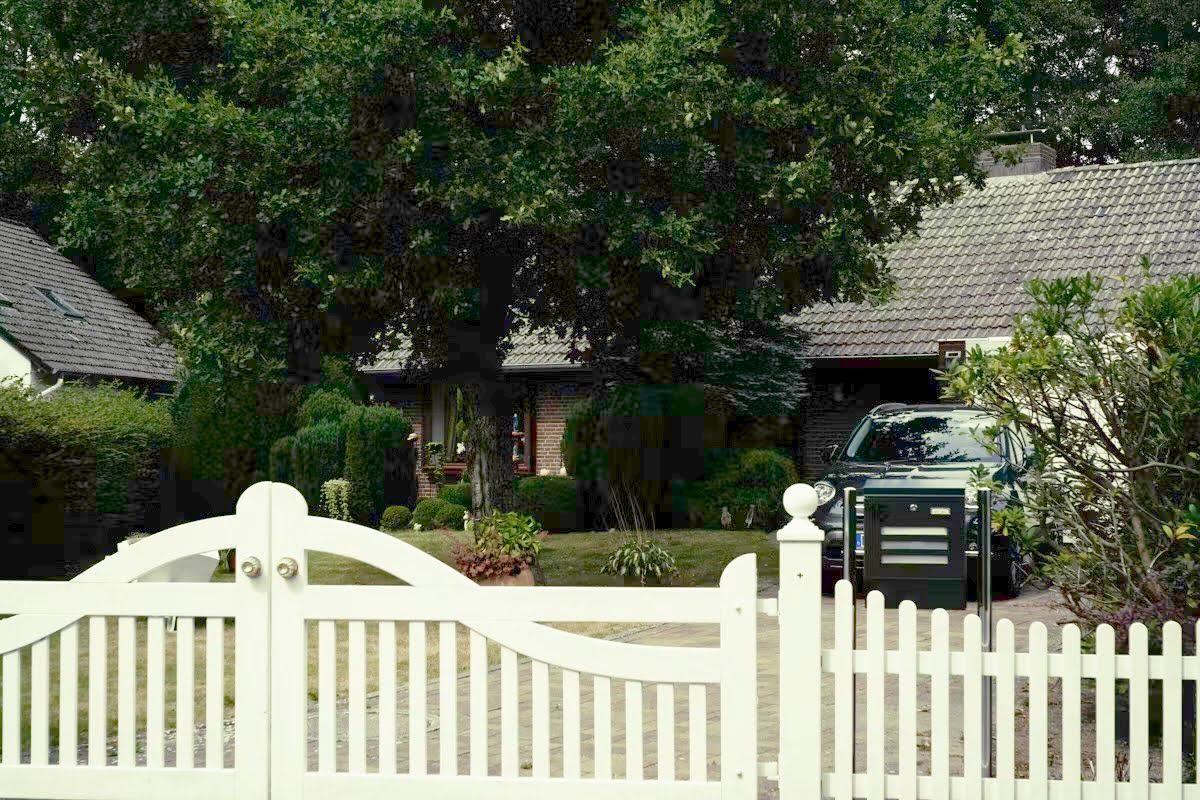
Installing a new fence around your lawn is an important decision that impacts your property’s appearance, privacy, security, and long-term value. While a fence can enhance curb appeal and define boundaries, choosing the wrong type or ignoring key factors can lead to unnecessary expenses and maintenance issues later on. Before moving forward, homeowners should carefully evaluate several practical and legal considerations.
Here are five essential factors to keep in mind before installing a new fence around your lawn.
1. Purpose of the Fence
The first step in planning a fence installation is understanding its primary purpose. Are you looking for privacy, security, pet containment, safety for children, or purely aesthetic enhancement?
Privacy fences are typically taller and solid, while decorative fences focus more on design than functionality. If security is your goal, durability and height become more important. Defining the purpose early helps narrow down material choices, fence height, and layout, ensuring the final installation meets your specific needs.
2. Local Regulations and PVC Fence Installation in Your Locality
Before installing any fence, it is crucial to research local bylaws, zoning regulations, and homeowners’ association rules. Many areas like Tampa, Florida have restrictions regarding fence height, placement, materials, and even colours. This is especially important when considering PVC fence installation in your locality, as some municipalities have specific guidelines for synthetic materials.
Consulting local fencing professionals like pvc fence tampa who are familiar with regional regulations can make the process smoother and ensure compliance from the start.
3. Material Selection and Durability
Fence material plays a major role in durability, maintenance, and overall appearance. Common materials include wood, metal, chain link, and PVC. Wood offers a classic look but requires regular staining or painting. Metal fences provide strength but may rust over time.
PVC fencing has gained popularity due to its low maintenance, resistance to weather damage, and long lifespan. When selecting materials, consider your climate, maintenance expectations, and budget. Choosing a durable material can save you significant repair and replacement costs in the long run.
4. Budget and Long-Term Costs
While upfront installation costs are important, homeowners should also factor in long-term expenses. Some fences may appear affordable initially but require frequent repairs, repainting, or replacements.
PVC fencing, for example, often has a higher initial cost but minimal ongoing maintenance, making it cost-effective over time. Budget planning should include installation labor, permits, materials, and potential future upkeep. A realistic budget ensures you don’t compromise on quality or face unexpected expenses later.
5. Design, Style, and Property Value
A fence should complement your home’s architectural style and enhance overall curb appeal. Poorly chosen designs can clash with the property’s aesthetics and even reduce its value. Consider fence height, colour, spacing, and how it blends with landscaping features.
A well-designed fence can frame your lawn beautifully and increase resale value. Neighbours’ fences and surrounding properties should also be considered to maintain visual harmony within the community.
Conclusion
Installing a new fence around your lawn is an investment that goes beyond simple boundary marking. By carefully considering the fence’s purpose, understanding local regulations, selecting durable materials, planning a realistic budget, and choosing a complementary design, homeowners can ensure a successful installation.